
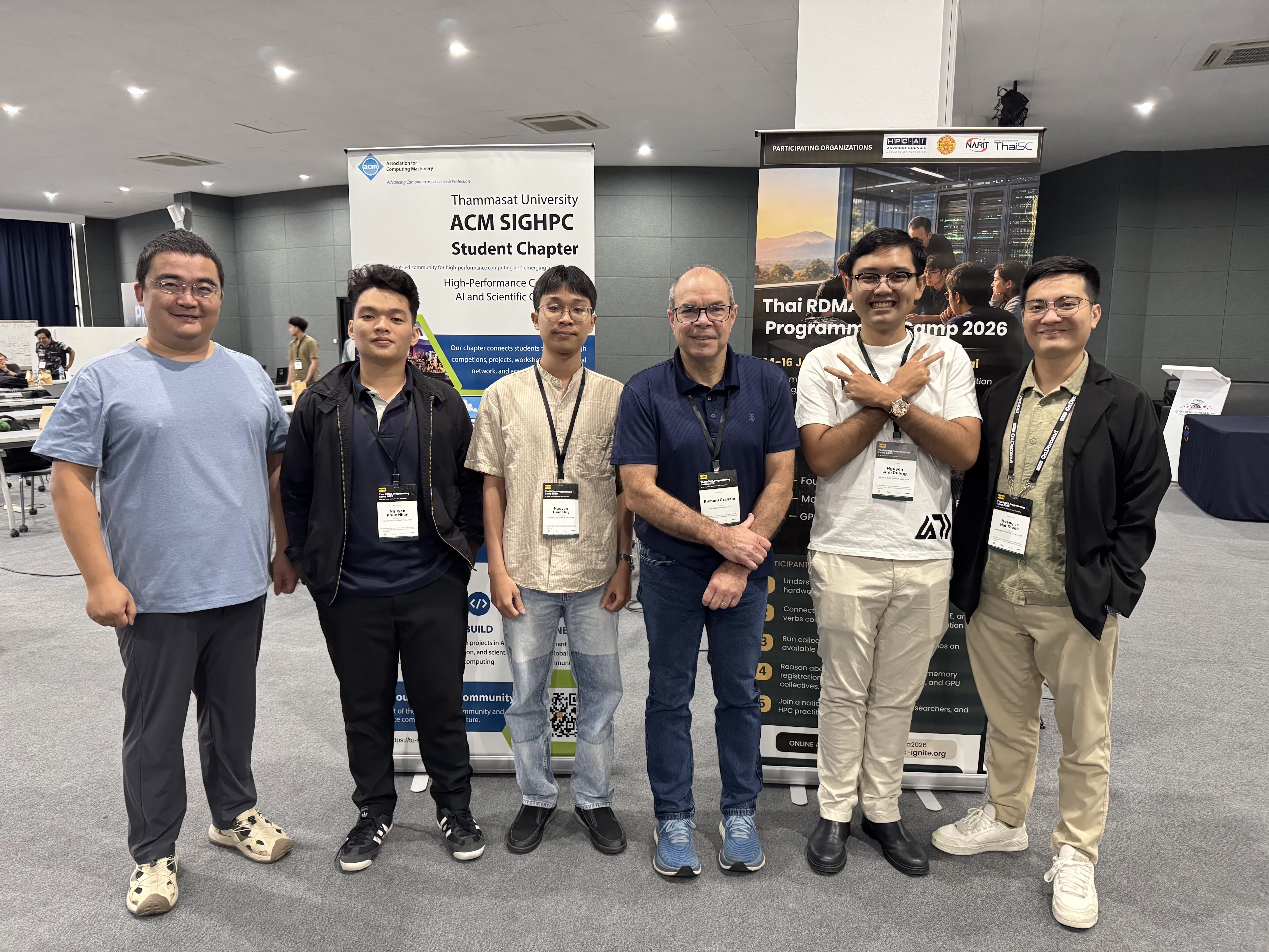
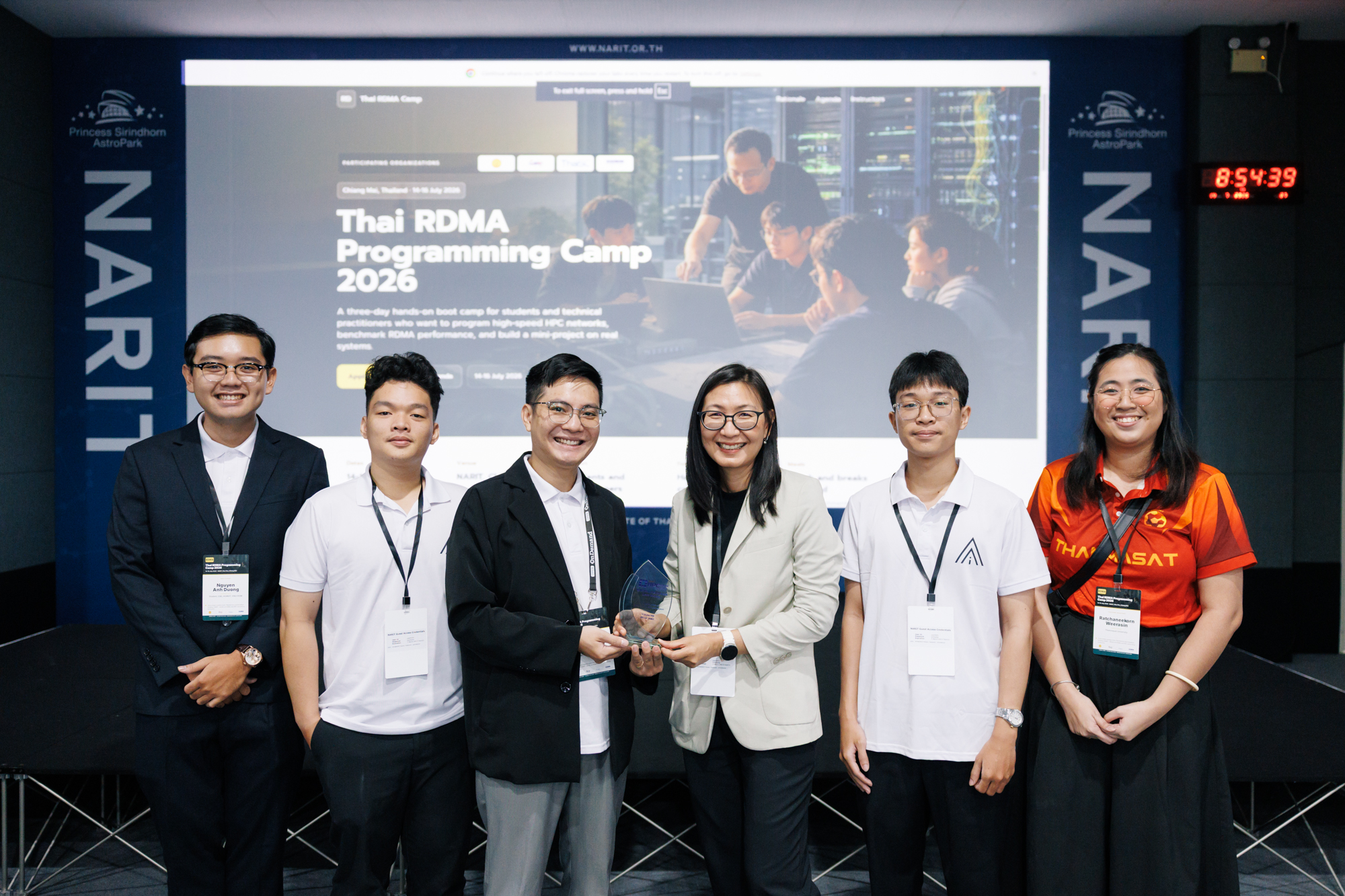
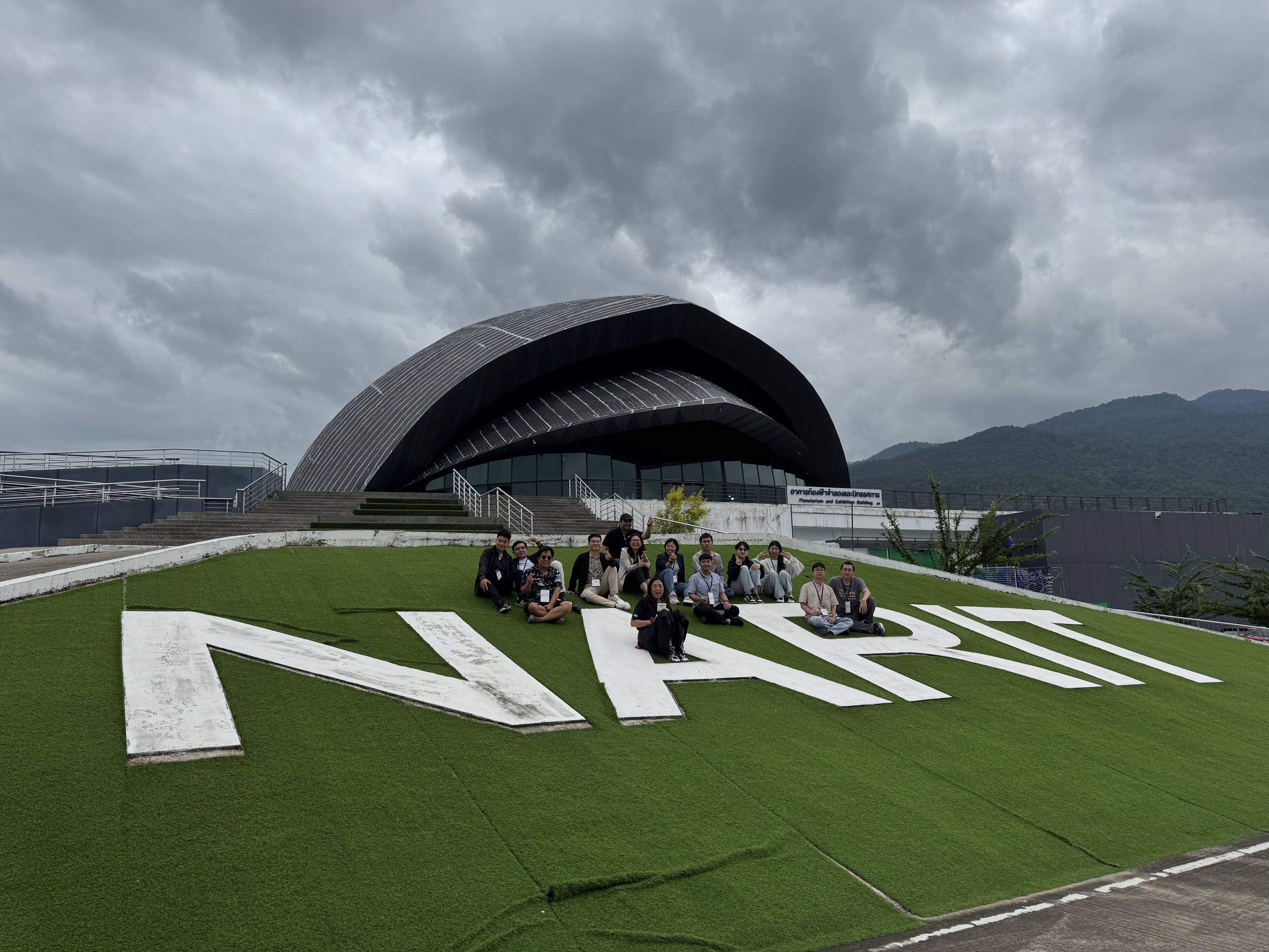
In July 2026, Agentivium AI participated in the Thai RDMA Programming Camp 2026 at the National Astronomical Research Institute of Thailand (NARIT), Chiang Mai, following an invitation from the organizing team. The camp took place from 14–16 July and focused on high-performance communication, RDMA programming, and practical performance optimization on modern HPC systems.
The event was also a natural follow-up to our participation in the HCMUT HPC Summer School 2026. Through the school, we had already started building stronger connections with researchers and practitioners in the regional HPC community. The RDMA Camp extended that interaction in a more focused technical setting and gave the team an opportunity to continue learning directly from experts working on high-performance systems.
From HCMUT HPC School to a regional HPC community
The HCMUT HPC Summer School created an initial connection between our team and several researchers involved in HPC education and infrastructure in the region. The Thai RDMA Programming Camp became one of the first concrete follow-up activities from that connection.
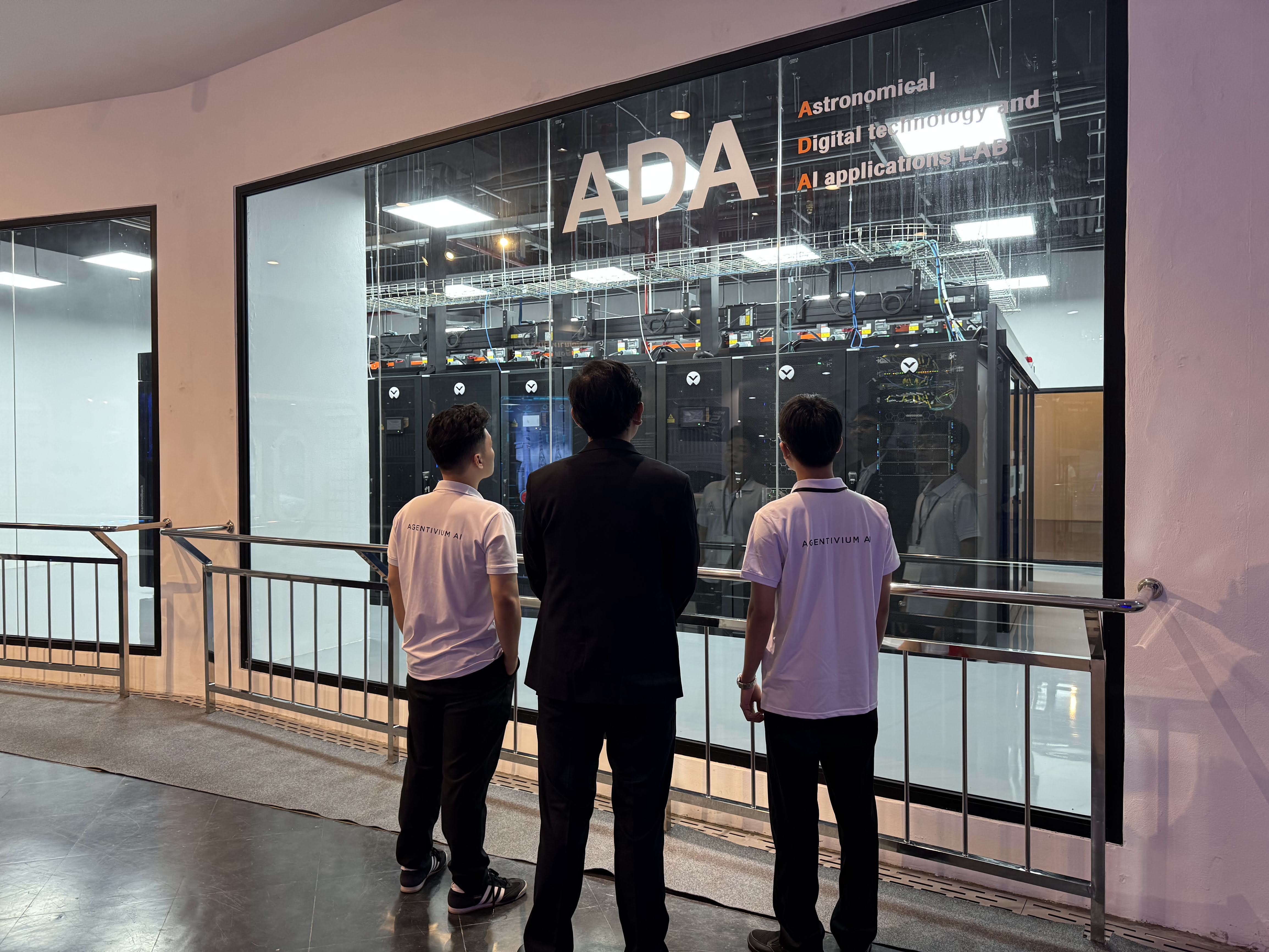
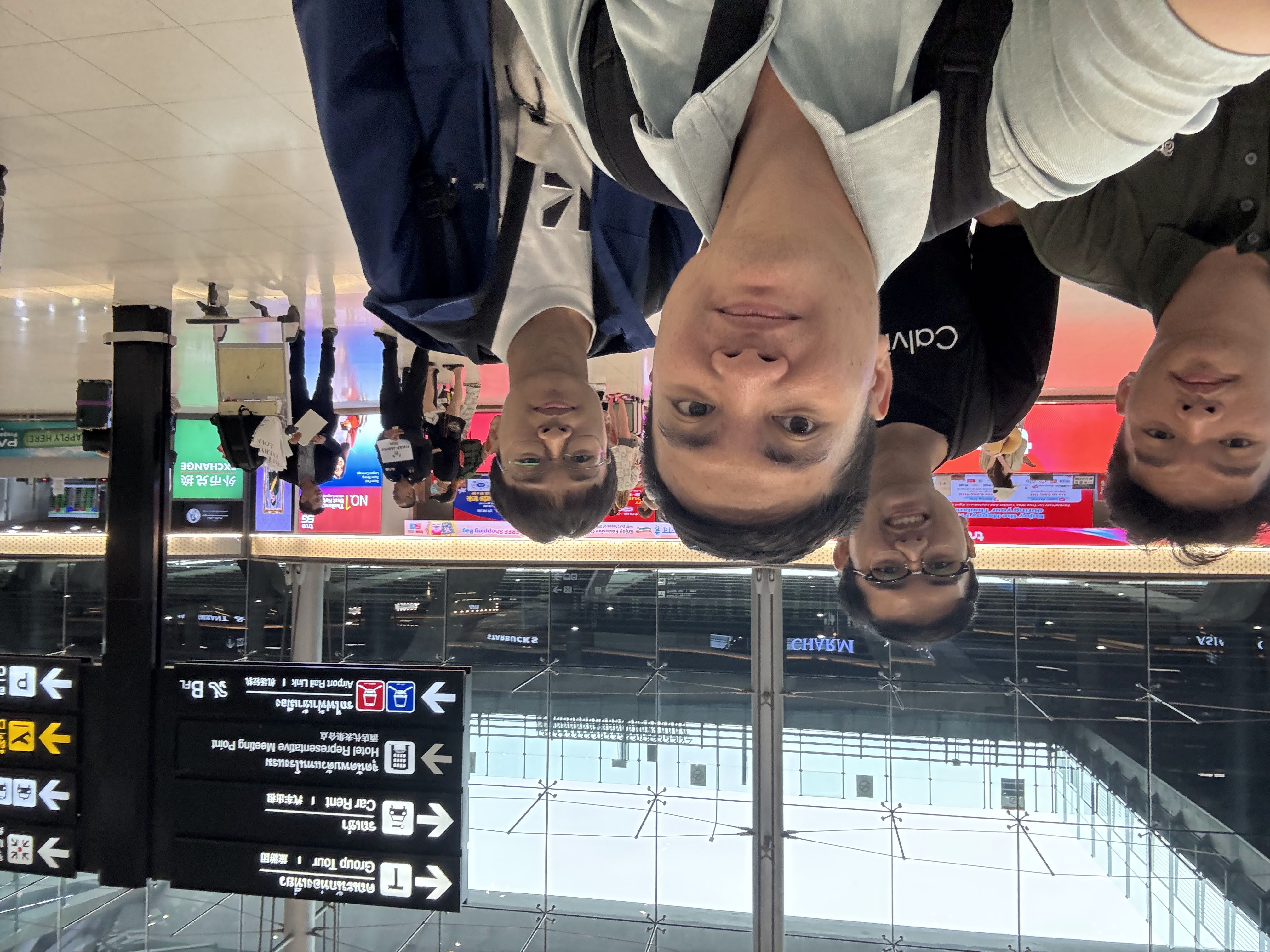
For Agentivium AI, this was also the first international event attended as a team. The trip therefore had a broader purpose than simply joining a technical workshop. It allowed the team to continue discussions started through the HPC School, meet the organizers and other participants in person, and observe how a focused technical training program can be delivered using real HPC infrastructure.
The experience was especially useful because we are also interested in creating more opportunities of this kind in Vietnam. The objective is not necessarily to reproduce the same event format, but to learn how regional collaboration, shared infrastructure, expert instruction, and hands-on training can be combined into an effective technical program.
Learning performance optimization from real HPC systems
The camp covered a broad set of topics around high-performance communication, including MPI and NCCL, InfiniBand and RoCE, RDMA verbs, memory registration, OS bypass, UCX and UCC, GPUDirect RDMA, GPU collective communication, profiling, and communication benchmarking.
A particularly valuable aspect was that these topics were connected directly to real systems. Participants worked with HPC infrastructure and training environments, including ThaiSC/LANTA, and were able to see how communication behavior, resource interaction, and performance bottlenecks appear in practice.
For our team, this type of systems knowledge is highly relevant. Performance optimization is not only about selecting a faster library or increasing hardware resources. It requires understanding the interaction between software, runtime, communication libraries, accelerators, memory, networking, and the workload itself.
These are also the kinds of questions that appear when AI workloads move from isolated model calls toward more complex distributed execution.
What HPC can contribute to Agentic Computing
One of Agentivium AI's current research directions is systems and infrastructure for Agentic Computing. We are interested in what changes when autonomous agents become first-class computational entities that dynamically invoke models and tools, create subagents, exchange state, and adapt their execution during runtime.
Many of these workloads introduce irregular communication, heterogeneous resource requirements, dynamic execution graphs, and changing resource demand. Although the applications are different from traditional HPC workloads, the underlying systems problems are not entirely new.
HPC already contains decades of research and engineering experience around communication locality, resource contention, collective operations, topology awareness, overlapping computation and communication, profiling, scheduling, and heterogeneous resource utilization. The interesting research question is therefore not whether these mechanisms can simply be reused, but which assumptions remain valid and which mechanisms need to be adapted for agent-native workloads.
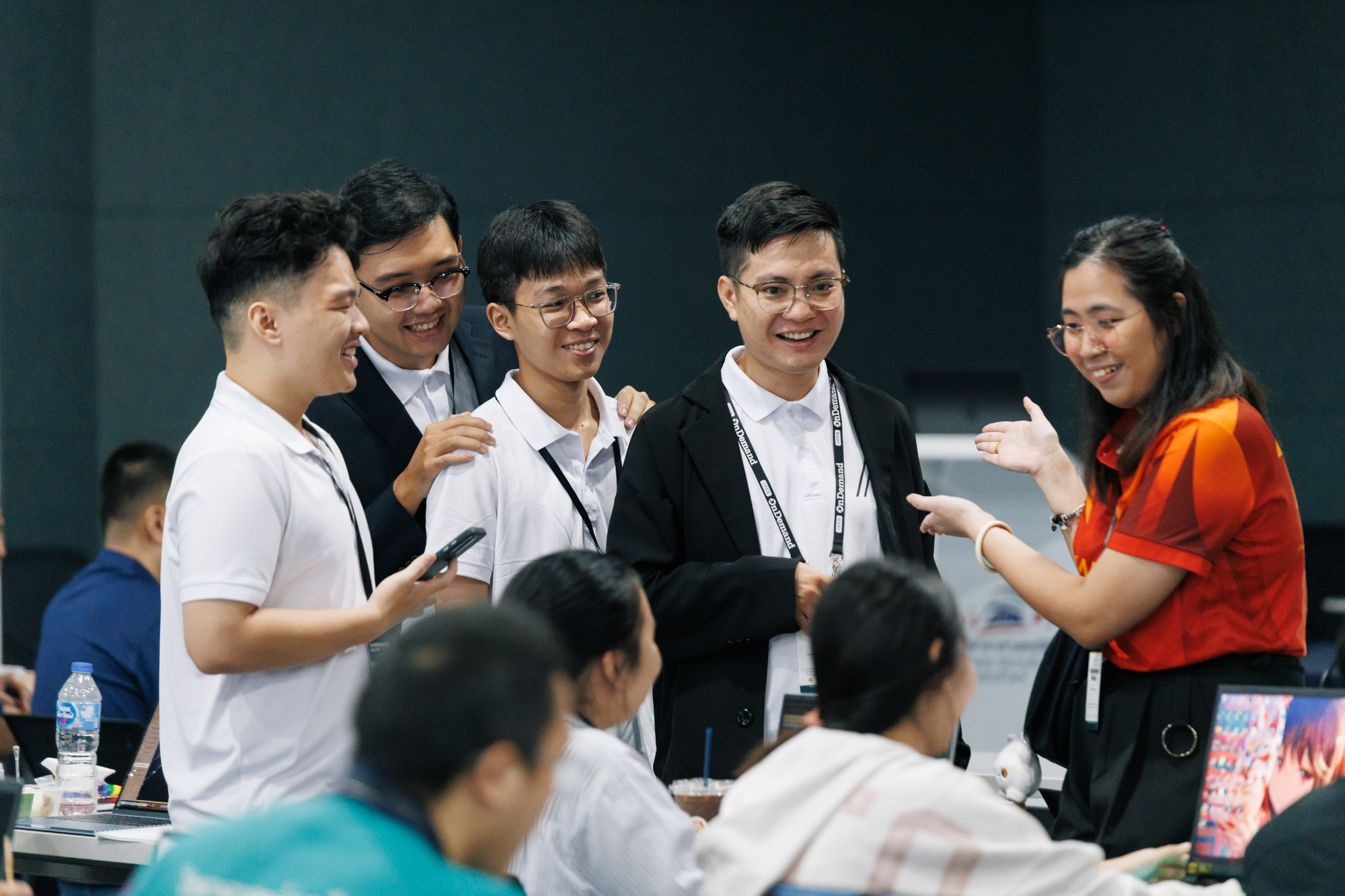
The RDMA Camp helped strengthen this perspective. Learning communication mechanisms at a lower level gives the team a better basis for reasoning about future agentic workloads at a higher level. Instead of treating agentic systems only as an application-layer orchestration problem, we can examine how their behavior propagates through the runtime, memory, network, and compute stack.
This is also consistent with how we currently approach systems research at Agentivium: learn from established mechanisms, understand the assumptions behind them, identify what changes under agentic workloads, and then evaluate whether those mechanisms should be transferred, adapted, or redesigned.
Learning from experts and practitioners
Another important part of the camp was the opportunity to interact directly with instructors, organizers, and other participants. These discussions provided context that is difficult to obtain from papers or documentation alone.
Performance engineering often depends on details that only become obvious after working with real systems: how measurements should be interpreted, which bottlenecks are actually important, where abstraction boundaries begin to leak, and which optimizations matter under realistic workloads.
For a small research team, access to this kind of experience is particularly valuable. It complements our own experiments and allows us to build stronger intuition around system behavior before transferring those ideas into new research problems.
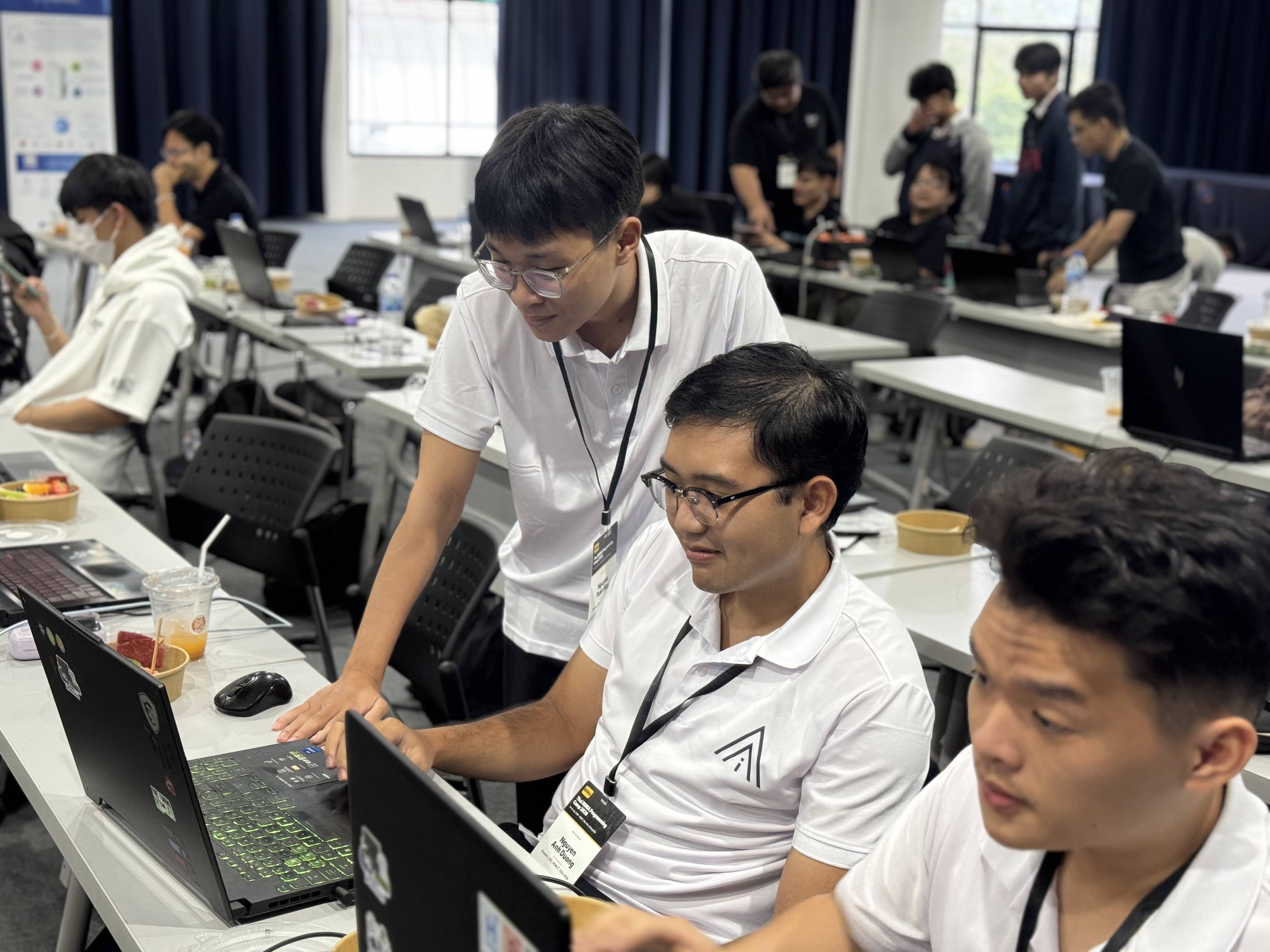
The camp also showed the value of combining lectures with direct access to infrastructure. Participants were not only introduced to the mechanisms behind high-performance communication, but also had opportunities to experiment, benchmark, observe system behavior, and discuss results with people who work with these technologies in practice.
Toward similar activities in Vietnam
The organizational model of the camp was itself something we wanted to learn from. It brought together technical instruction, hands-on exercises, shared infrastructure, and interaction between students, researchers, and practitioners in a compact format.
Following the HCMUT HPC School and this RDMA Camp, one direction we would like to continue exploring is how similar regional activities can be organized in Vietnam. There is clear value in giving students and young researchers direct access to modern HPC and AI infrastructure, especially when that access is combined with instruction from researchers and practitioners who work on these systems.
This would also help create a stronger connection between local students and the regional HPC community. Instead of treating international collaboration only as research publication or conference participation, technical schools and focused training events can provide another practical channel for knowledge transfer and long-term collaboration.
Building the systems foundation for Agentivium AI
The Thai RDMA Programming Camp added another layer to the technical foundation that Agentivium AI is currently building. The team gained more practical exposure to networking, communication libraries, GPU communication, and performance profiling, while also strengthening connections with researchers and practitioners in the regional HPC community.
HPC remains an important source of systems mechanisms and performance expertise for our research, but it is not the boundary of Agentivium's identity. We are interested in how knowledge from HPC, distributed systems, operating systems, networking, and other classical systems fields can contribute to the development of Agentic Computing.
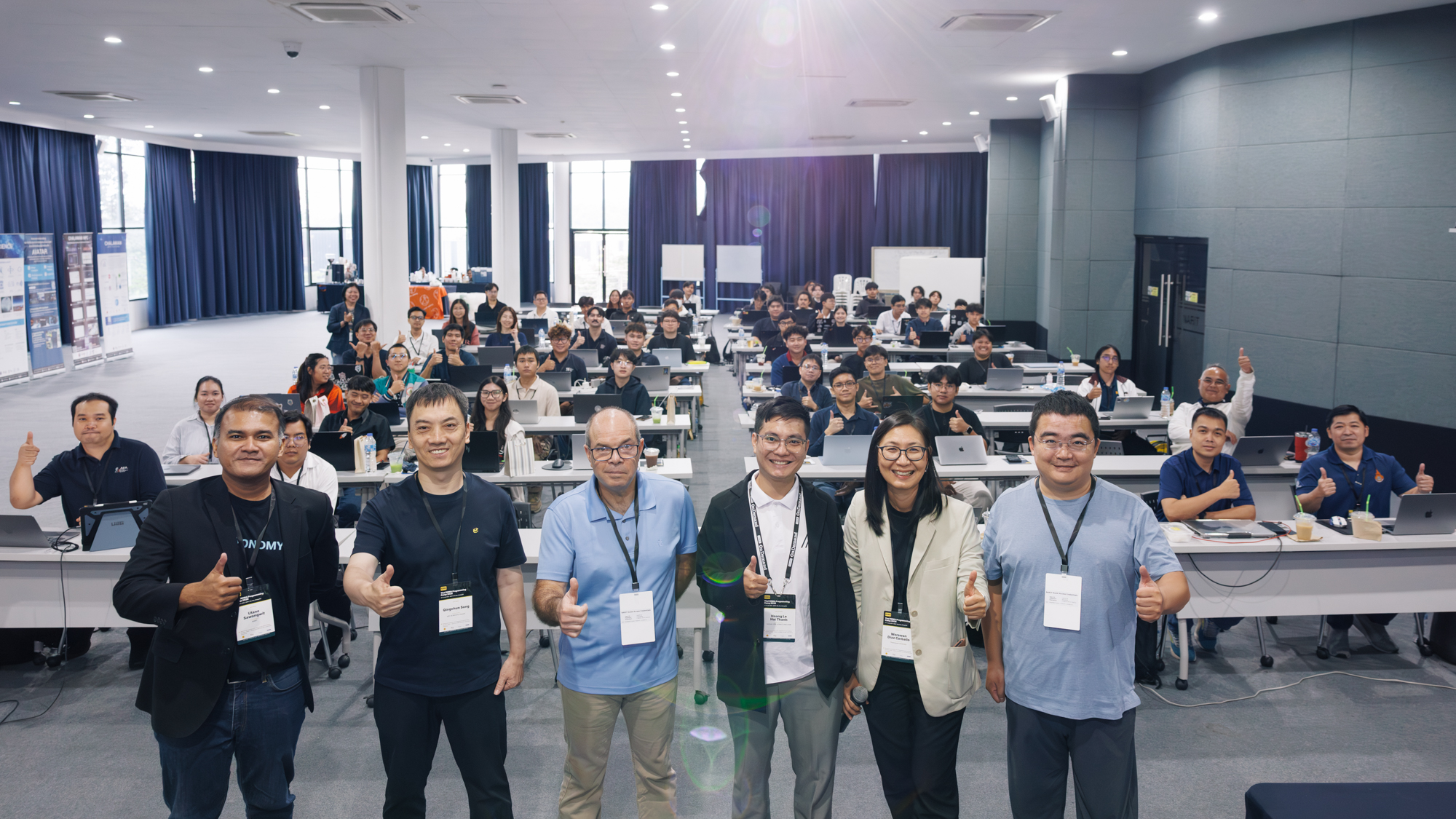
For us, this trip was therefore less about attending a single event and more about continuing a research and community connection that started through the HCMUT HPC School. It gave the team additional systems knowledge, new technical perspectives, and a clearer view of how regional collaboration can support both our research and future technical activities in Vietnam.